





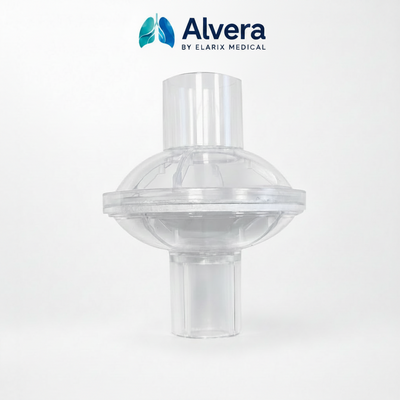





clinic equipment
Choosing the Right Medical Equipment for Your Clinic in the UK
Selecting medical equipment for a clinic, surgery, or healthcare service is a strategic decision that affects patient outcomes, workflow efficiency, and long-term operating costs. With increasing pressure on healthcare providers to balance safety, budget and accessibility, understanding how to evaluate equipment properly has never been more important.
This guide provides a structured approach to choosing reliable medical equipment in the UK, along with practical advice on supplier selection, compliance, and lifecycle planning.
Table of Contents
Step 1: Assess your clinical requirements
Step 2: Compare equipment types and specifications
Step 3: Evaluate quality, warranties and compliance
Step 4: Consider refurbished vs new equipment
Step 5: Choose suppliers who provide real support
Quick Summary
Frequently Asked Questions
Step 1: Assess your clinical requirements
Before browsing catalogues, define exactly what your service needs. Begin by mapping patient pathways and identifying essential equipment for diagnosis, treatment, and monitoring.
Think about:
• patient volumes and case mix
• regulatory requirements for your specialty
• expansion plans over the next few years
Create three lists:
• Essential equipment
• Operational improvements
• Future upgrades
This ensures budget is prioritised correctly without compromising patient safety.
Step 2: Compare equipment types and specifications
Different devices often meet the same clinical need, but performance varies significantly.
When comparing equipment, evaluate:
• build quality and expected lifespan
• accuracy and performance features
• ease of use for staff
• availability of accessories
For example:
| Device type | Considerations | Why it matters |
|---|---|---|
| Diagnostic monitors | Screen clarity, alarms, portability | Faster, safer observations |
| Infusion devices | Safety locks, flow accuracy | Prevents medication errors |
| Sterilisation | Capacity, cycle validation | Protects infection control |
Expert advice: Always involve clinicians and end-users in selection discussions. The right device must work in practice, not just on paper.
Step 3: Evaluate quality, warranties and compliance
Any device brought into a clinical setting must be safe, traceable, and supported.
Check the following:
• CE/UKCA markings
• manufacturer documentation
• maintenance schedules
• training requirements
Strong supplier warranties reduce downtime and protect long-term value. Avoid equipment with unclear origins or limited service support.
Step 4: Consider refurbished vs new equipment
Refurbished devices can be an excellent option when sourced responsibly. High-quality refurbishment typically includes component replacement, calibration and full functional testing.
Refurbished medical equipment is often suitable for:
• start-up clinics
• budget-sensitive departments
• back-up or contingency planning
Always ensure:
• documented testing
• service history
• warranty coverage
Reliable refurbished equipment helps extend budgets without compromising care quality.
Step 5: Choose suppliers who provide real support
A dependable supplier is as important as the equipment itself.
Look for:
• realistic delivery times
• accessible technical support
• spare part availability
• transparent returns and warranties
Suppliers who understand healthcare settings add significant value by advising on compatibility, training and lifecycle planning.
Quick Summary
| Key Point | Meaning |
|---|---|
| Define needs first | Avoid unnecessary purchases |
| Compare carefully | Look beyond price |
| Check compliance | Safety must always come first |
| Consider refurbished | Value when done properly |
| Choose strong suppliers | Reduces future risk |
Useful stores within the Elarix group
When you are ready to source equipment, the following trusted platforms may help:
• General medical equipment and devices:
SelfiMed UK – https://selfimed.com
• Sleep therapy, CPAP machines and accessories:
CPAP Supply UK – https://cpapsupply.co.uk
• Defibrillators and emergency response equipment:
Defib Centre UK – https://defibcentre.co.uk
Each platform focuses on its specialty area, with clear product information and UK-based support.
Frequently Asked Questions
What is the most important factor when buying medical equipment?
Safety and compliance should always come first, followed by service support and long-term reliability.
Is refurbished medical equipment safe?
Yes, when sourced from reputable suppliers who fully test, service and document the device.
How do I reduce downtime and repair delays?
Choose suppliers offering maintenance plans, spare parts, and clear technical support routes.
Can different brands work together?
Often yes, but compatibility should always be checked before purchase.
Final thoughts
Selecting medical equipment is not simply a purchasing transaction. It is an investment in your clinic’s capability, resilience and patient experience. By approaching procurement systematically, involving clinical teams, and choosing trustworthy suppliers, you create a safer and more efficient care environment.